
News
Choosing the right gelatin factory is an important decision for food manufacturers, supplement brands, and industrial ingredient buyers. Product quality, manufacturing consistency, technical support, and supply reliability can all affect the performance of the final product.
For companies sourcing gelatin internationally, understanding how a factory operates and what to evaluate before purchasing can help reduce sourcing risks and establish long-term supplier relationships.
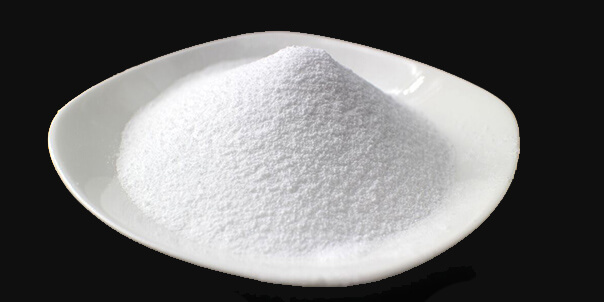
A gelatin factory converts collagen-rich animal raw materials into purified gelatin through a series of controlled manufacturing processes. These typically include raw material preparation, pretreatment, extraction, filtration, concentration, drying, and final quality testing.
The resulting gelatin is available in different grades and specifications to meet the requirements of various applications. Important technical parameters may include Bloom strength, viscosity, moisture content, pH, color, and microbiological quality.
A qualified gelatin manufacturer should be able to provide relevant technical documentation and help customers identify suitable specifications for their intended applications.
Not all gelatin factories offer the same production capabilities, product range, or technical expertise. Before choosing a supplier, buyers should evaluate several key factors.
A factory’s production capacity affects its ability to fulfill orders, support demand fluctuations, and maintain a dependable supply over time.
However, total factory capacity alone does not tell the whole story. Buyers should also ask about capacity for the specific gelatin type and grade they require, production scheduling, lead times, and the manufacturer’s ability to maintain consistent specifications between batches.
For businesses with ongoing purchasing needs, a supplier with established manufacturing operations and effective production planning can be a valuable long-term partner.
Consistent gelatin quality is essential for maintaining product performance during commercial production.
A professional gelatin factory should implement documented quality procedures covering raw material inspection, in-process monitoring, finished-product testing, and batch traceability.
Depending on the application and destination market, buyers may need a Certificate of Analysis (CoA), technical data sheet, microbiological test results, heavy metal information, and applicable certification documents.
Always confirm that the manufacturer’s quality certificates and compliance documentation cover the relevant production site and product.
Gelatin is used in a wide range of products, and the required specifications vary by application.
For example, gummy manufacturers may prioritize gel strength, elasticity, chewiness, and setting performance. Soft capsule producers may focus on viscosity, shell formation, flexibility, and compatibility with the filling material.
A supplier with application knowledge can help buyers evaluate suitable gelatin grades and understand how formulation, processing conditions, and product specifications influence the final result.
The raw materials used in gelatin production can include bovine hide, bovine bone, and fish skin, depending on the manufacturer’s product portfolio.
Different raw material sources and manufacturing processes can influence gelatin characteristics. Buyers should therefore confirm the source, grade, technical specifications, and applicable religious or market requirements before placing an order.
For products intended for Halal, Kosher, pharmaceutical, or other regulated applications, the relevant requirements should be verified for the specific product and facility.
International gelatin purchasing involves more than manufacturing. Buyers may also need assistance with export documentation, packaging requirements, shipping arrangements, product selection, and communication across different time zones.
A supplier experienced in international business may be better equipped to coordinate these requirements and support repeat orders.
Before establishing a long-term relationship, buyers should clarify minimum order quantities, sample availability, production lead times, payment terms, and the documents available for their target market.
Gelatin’s ability to form gels, stabilize structures, and create specific textures makes it useful across multiple industries.
Gelatin is widely used in gummies, marshmallows, and other confectionery products. Depending on the grade and formulation, it can contribute to elasticity, chewiness, texture, and shape retention.
Selecting an appropriate gelatin grade is important for achieving the desired texture and maintaining stable manufacturing performance.
Gelatin is commonly used to produce soft capsule shells. The selected grade needs to meet the requirements of the shell formulation, manufacturing process, and filling material.
Buyers should evaluate relevant technical specifications and confirm that the product is suitable for their intended capsule application.
In selected dairy and dessert applications, gelatin can help provide the desired texture and structure. The appropriate grade depends on the product formulation, processing conditions, and finished-product requirements.
Gelatin can be used in certain processed meat products to contribute to gel formation, binding, and texture. Its suitability depends on the specific application and formulation.
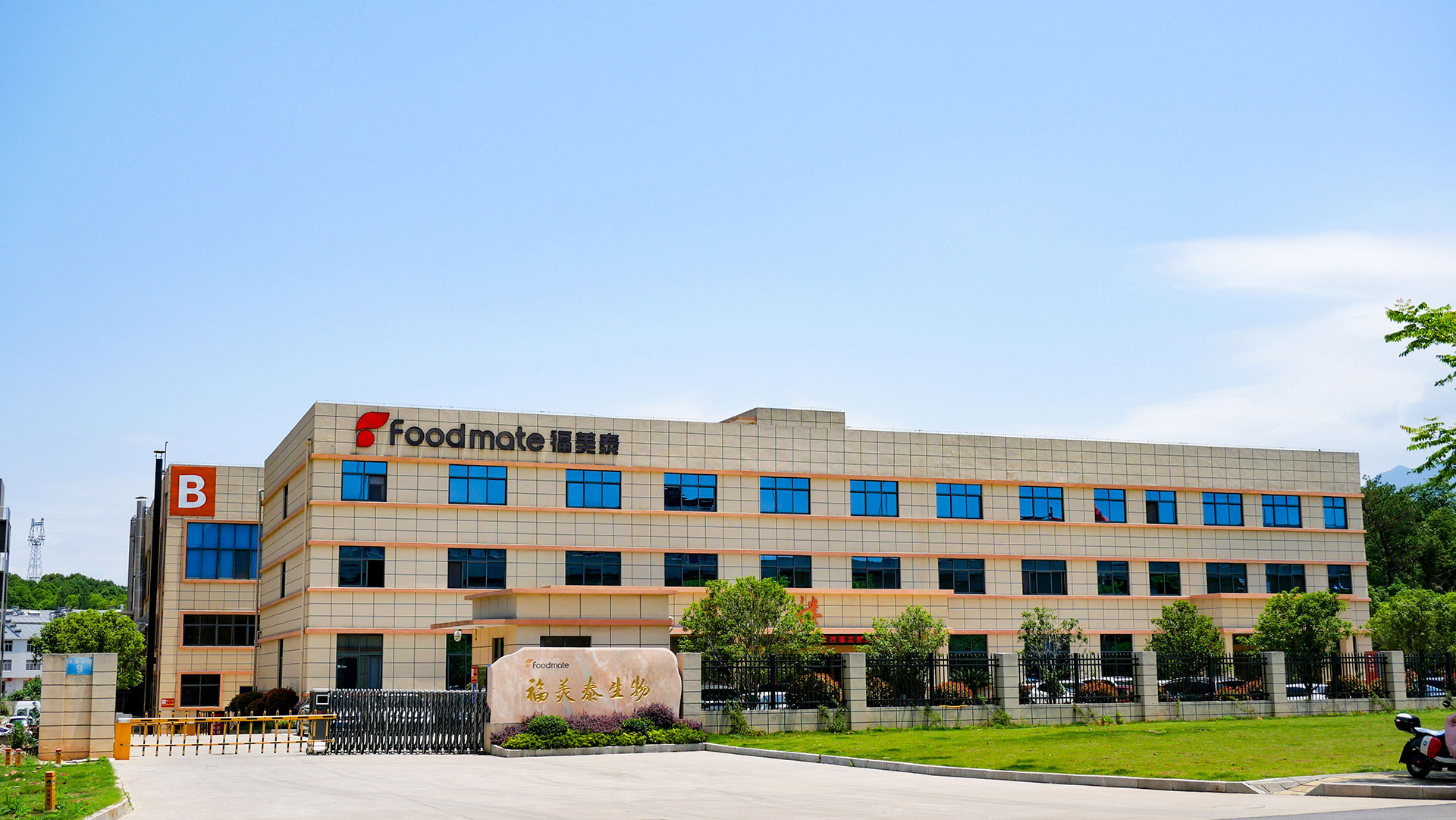
Foodmate was established in 2012 and integrates research and development, manufacturing, and sales of functional food ingredients. Its manufacturing base is located in Jiujiang, Jiangxi Province, China, with a global marketing center in Shanghai.
The company’s product portfolio includes edible gelatin, instant gelatin, collagen, collagen peptides, carrageenan, konjac gum, and other functional ingredients.
Foodmate’s manufacturing facilities cover approximately 96,000 square meters, with a combined annual production capacity of approximately 28,000 metric tons across its ingredient portfolio. This figure represents total capacity across multiple ingredients, not gelatin alone.
With its manufacturing infrastructure and application-oriented technical support, Foodmate serves customers in more than 100 countries and regions.
For buyers evaluating a gelatin factory, Foodmate offers an option to explore gelatin specifications, related functional ingredients, and application requirements through a manufacturer with international supply experience.
Purchasing directly from a manufacturer can offer several potential advantages, depending on the supplier’s business model and service capabilities.
These benefits are not automatic. Buyers should assess the manufacturer’s actual capabilities, responsiveness, and documentation before making a decision.
A gelatin factory manufactures gelatin, while a gelatin supplier may manufacture the product, distribute it, or source it from other producers. Some companies operate both manufacturing and trading businesses. Buyers should confirm the actual production source when factory-direct supply is important.
Review the technical data sheet, batch-specific CoA, relevant test results, and applicable certifications. Evaluate samples under your own processing conditions and confirm that the product meets your required specifications.
Common raw materials include bovine hide, bovine bone, and fish skin. The available sources depend on the manufacturer’s production range. Buyers should confirm the raw material origin and applicable certification requirements for each product.
Gummy manufacturers should evaluate Bloom strength, viscosity, setting behavior, elasticity, chewiness, and compatibility with their formulation and production process. The ideal specifications depend on the target texture and manufacturing conditions.
Many manufacturers can provide samples, technical data sheets, and product-specific quality documents upon request. Availability varies by product and market, so buyers should confirm requirements directly with the supplier.
Foodmate’s combined annual production capacity is approximately 28,000 metric tons across its ingredient portfolio. This is the total capacity for multiple ingredients, not the capacity for gelatin alone. Buyers with specific volume requirements should confirm the capacity and availability of the relevant gelatin grade.
Selecting a gelatin factory requires a clear understanding of your application, technical specifications, quality requirements, and purchasing volume.
By evaluating manufacturing capability, product consistency, documentation, application expertise, and export support, buyers can make more informed sourcing decisions and build reliable supply relationships.
Foodmate provides gelatin and related functional ingredient solutions for international customers. Contact the team to discuss your application, request product specifications, or explore samples for evaluation.
Contact us for more information on Technical Support, Free samples, FOB Price, etc. You will be replied within one day.